
The Evermore Women’s Health Journal
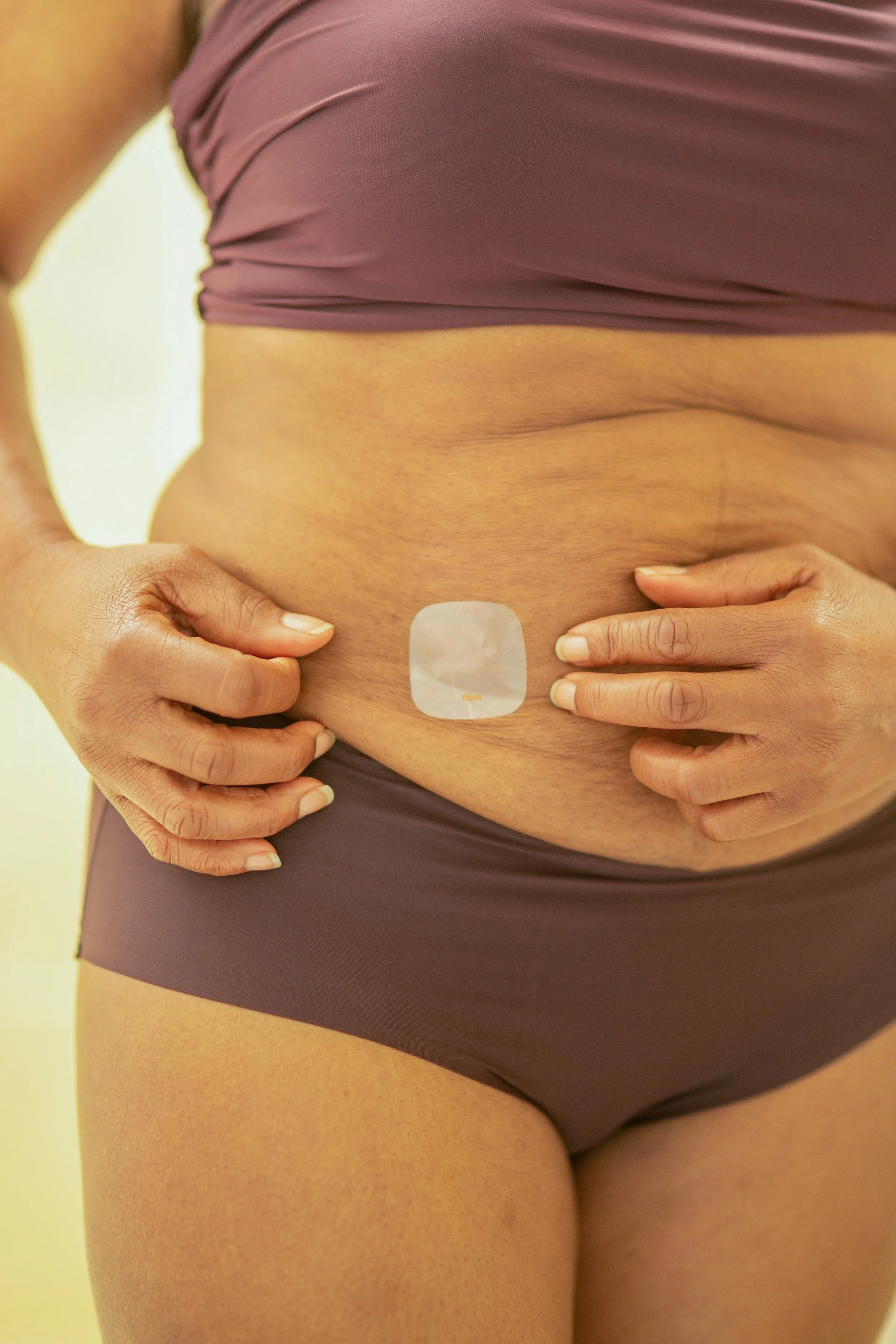
Estrogen Patches for Menopause: A Guide to Brands, Dosing, Skin Reactions, and the Current Shortage
Estrogen patches are one of the most common ways to use hormone therapy during perimenopause and menopause, but not all patches are the same. Learn how estradiol patches work, the difference between weekly and twice-weekly patches, why women may prefer certain brands, what to do about skin irritation, and how to find your medication during the current patch shortage.

Difficulty Reaching Orgasm? Causes, Menopause, Medications, and Treatment Options
Difficulty reaching orgasm is common, especially during perimenopause and menopause, but it is not always “just hormones.” Medications, pelvic floor function, genital sensation, pain, stress, arousal, and relationship factors can all play a role. Learn what can cause orgasm changes, how they are evaluated, and which evidence-based treatments may help.
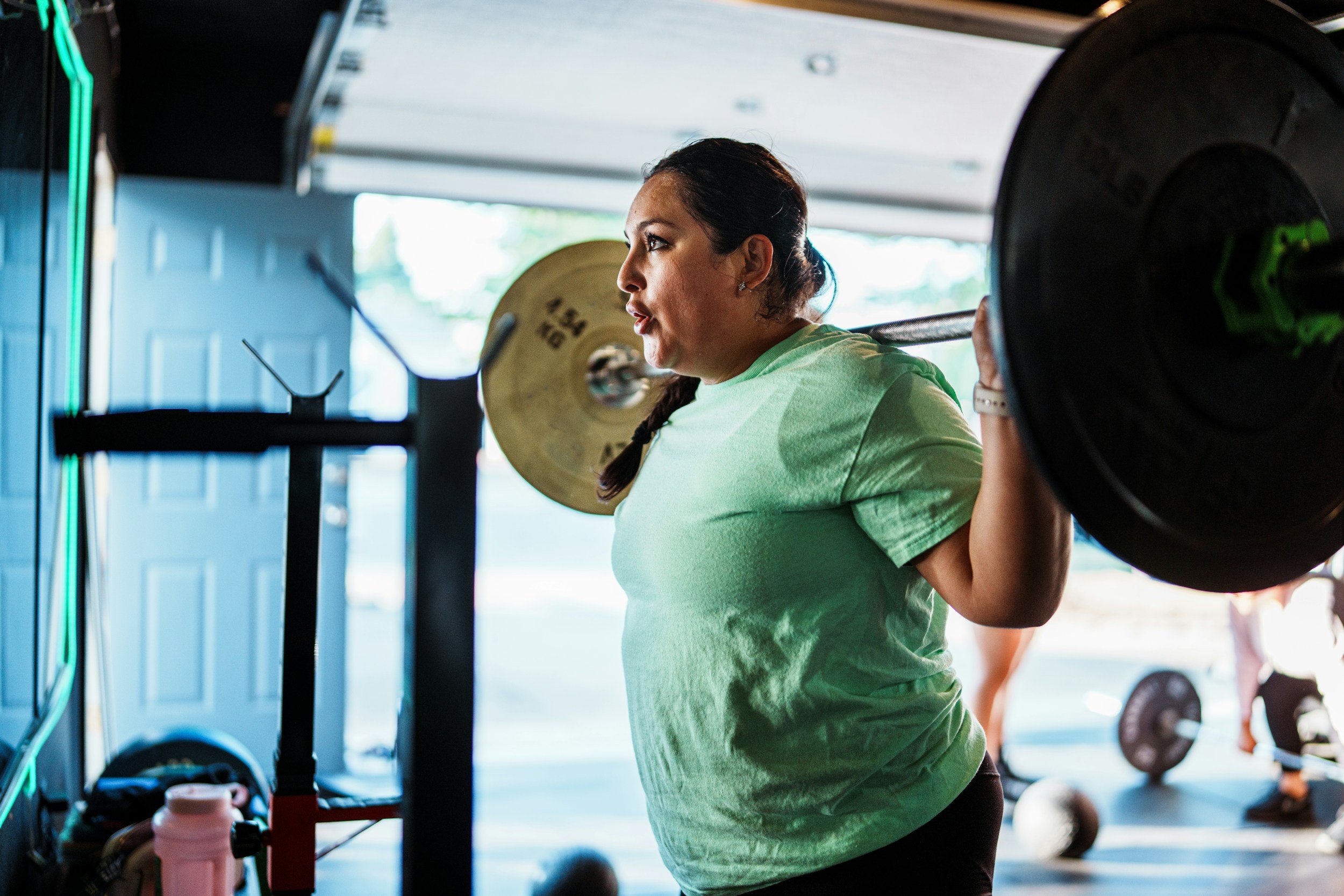
Did I Miss My Chance? Bone Health, Osteopenia, and Osteoporosis After Menopause
Bone loss can accelerate during and after menopause, often without symptoms until a fracture occurs. Learn what osteopenia and osteoporosis really mean, when hormone therapy may help protect bone, which exercises have the strongest evidence, and why it is rarely too late to reduce future fracture risk.

Relative Energy Deficiency in Sport: More Than Missed Periods
REDs can affect athletes of any age, body size, or competitive level, and a missing period may be one of the earliest warning signs. Learn how low energy availability can disrupt hormones, bone health, recovery, performance, and long-term cardiovascular health, and why treatment must address more than estrogen alone.

Could It Be Perimenopause? Why So Many Women Are Told They’re “Too Young”
Think you’re too young for perimenopause? You may not be.
Perimenopause can begin in the late 30s or early 40s—even when periods are still regular. Changes in sleep, mood, concentration, energy, headaches, bleeding patterns, or the feeling that you simply do not feel like yourself may all be part of the transition.
These symptoms can overlap with stress, thyroid disease, anemia, anxiety, and other medical conditions, so a thoughtful evaluation still matters. But perimenopause deserves to be part of the conversation—not dismissed based on age alone.
Read more about the early signs of perimenopause, why testing does not always provide a clear answer, and what individualized care can look like.
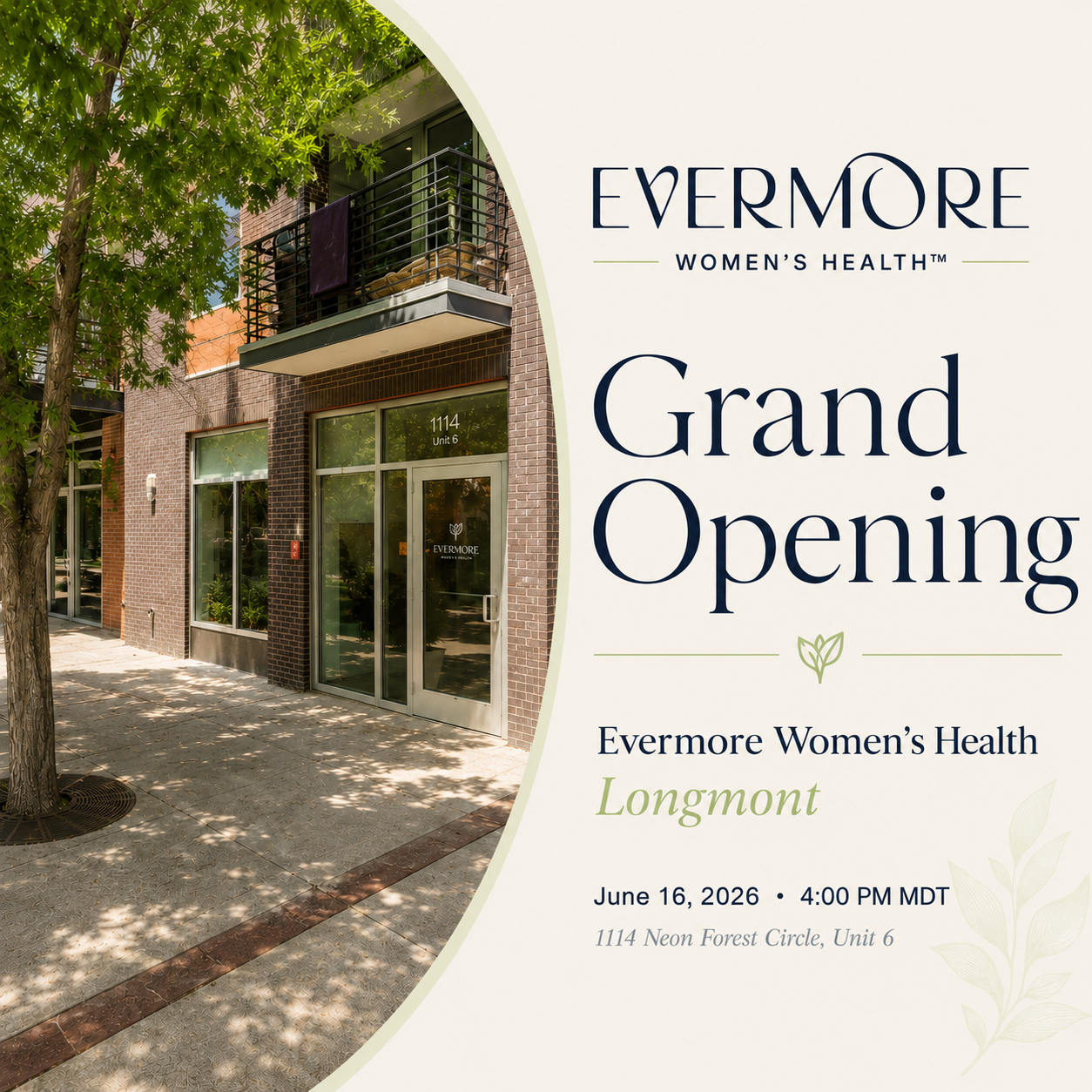
You’re Invited: Evermore Women’s Health Grand Opening in Longmont
Evermore Women’s Health is opening its new Longmont clinic in Prospect. Join Dr. Kristen Wolfe and the Longmont Chamber of Commerce on June 16 at 4:00 PM MDT for a ribbon cutting ceremony, local giveaways, and a celebration of thoughtful, evidence-based care for midlife women.
Putting Menopause on the Map Comes to Longmont
Dr. Kristen Wolfe joins Putting Menopause on the Map, a two-night Longmont event designed to make menopause care clearer, more practical, and far less isolating.

Perimenopause Symptoms: What Decades of Research From the Seattle Midlife Women’s Health Study Reveal
Perimenopause is the transition before menopause marked by fluctuating estrogen, changing cycles, and symptoms like sleep disruption, mood changes, hot flashes, and cognitive concerns.

Primary Ovarian Insufficiency and Surgical Menopause: Why Care Is Different Before Age 45
Primary ovarian insufficiency (POI) and surgical menopause cause early estrogen loss, affecting bone, cardiovascular, and brain health, including in women undergoing preventive ovary removal.

Menopause Supplements: Evidence on Black Cohosh, Soy, Relizen, Amberen & More
This article reviews evidence on common menopause supplements, offering clear guidance on effectiveness, safety, and whether they’re worth trying.